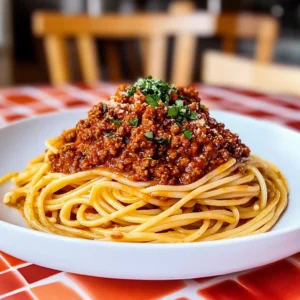
Sizzling onions fill the kitchen as I toss in crushed tomatoes. The smell is pure comfort, and I’m already eyeing the pasta. This Turkish Pasta is my go-to for a quick meal that doesn’t skimp on flavor.
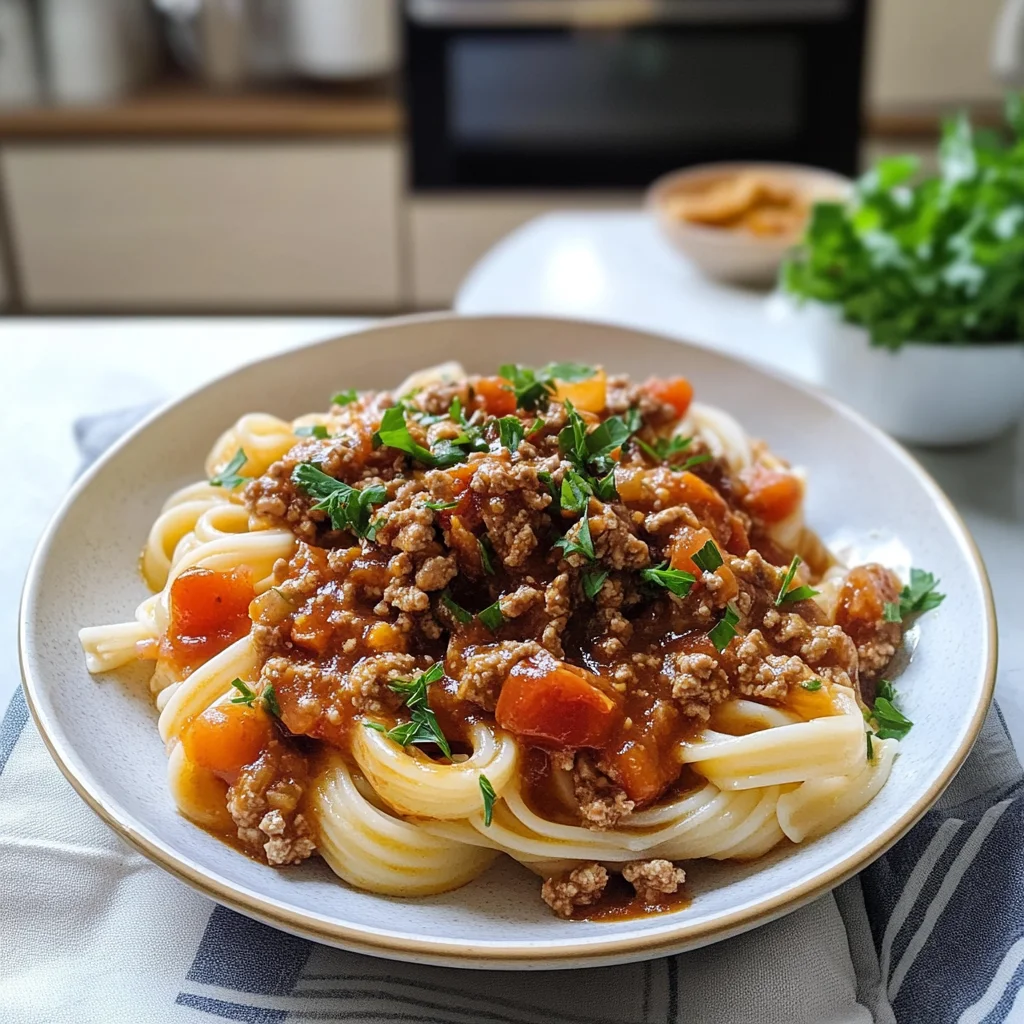
It’s perfect for those nights when you have 30 minutes to whip up dinner but don’t want to compromise on taste (trust me, no one’s got time for bland food). You’ll find this version skips heavy cream and uses just pantry staples, making it easy and affordable. Quick, cozy, and delicious.
Why You’ll Love This Turkish Pasta
- Super Easy: Toss everything together in under 30 minutes. Seriously, it’s perfect for when you’re short on time.
- Flavor Bomb: The combination of spices and tomatoes creates a sticky-sweet sauce that’ll make your taste buds dance.
- Textural Heaven: The pasta’s al dente bites mixed with the saucy goodness is a fork-tender dream come true.
- Endless Variations: Switch up the toppings or add protein like chicken or chickpeas to keep it fresh every time.
- Caveat Alert: It doesn’t freeze well—so just plan to eat it all within a few days (it’s not hard!).
Turkish Pasta Ingredients
For the Base:
pasta (2 cups) — Use high-quality pasta like Barilla; cheap stuff’ll turn gummy and ruin the dish.
olive oil (1 tablespoon) — Always use extra virgin olive oil; light olive oil won’t give that rich flavor.
onion (1 medium) — Sauté onions until they’re golden; undercooked ones make the dish taste raw and harsh.
garlic (2 cloves) — Crush garlic with the side of your knife; pre-minced isn’t as fragrant or tasty.
crushed tomatoes (1 can) — Get San Marzano crushed tomatoes for sweetness; regular canned tomatoes won’t cut it.
tomato paste (1 tablespoon) — Don’t skimp on tomato paste; it’s the secret to deep, rich flavor in sauces.
dried oregano (1 teaspoon) — Use dried oregano, but don’t use Italian seasoning; it’s got extra stuff that’ll muddle things up.
cumin (1 teaspoon) — Cumin’s non-negotiable here; using curry powder’ll completely alter the taste.
red pepper flakes (1 teaspoon) — Add red pepper flakes to taste; skip ’em, and the dish’ll lack necessary warmth.
For the Topping:
feta cheese (1 cup) — Use real feta, like Dodoni; salad cheese won’t melt right or taste authentic.
fresh parsley (1/4 cup) — Chop fresh parsley just before serving; pre-chopped loses flavor and freshness.
fresh mint (1/4 cup) — Add fresh mint for brightness; dried mint just won’t give you that refreshing kick.
Full measurements in the recipe card below.
How to Make Turkish Pasta
1. Boil the Pasta: Bring a large pot of salted water to a rolling boil. Add 2 cups of short pasta and cook until al dente (you’ll know it’s ready when it’s firm but not crunchy).
2. Drain and Reserve: Drain the pasta and set aside, but don’t forget to reserve a little pasta water for later — it’ll help if your sauce is too thick.
3. Sauté the Onions: In a large skillet, heat 1 tablespoon of olive oil over medium heat. Add the chopped onion and sauté until translucent, about 5 minutes (they should look soft and slightly golden).
4. Add Garlic: And then toss in 2 cloves of minced garlic, cooking for another minute until fragrant (trust me, you’ll smell it!).
5. Make the Sauce: Stir in 1 can of crushed tomatoes, 1 tablespoon of tomato paste, 1 teaspoon each of dried oregano and cumin, plus red pepper flakes and salt to taste. Let this simmer for about 10-15 minutes; you want it bubbling gently while the flavors meld together.
6. Combine Pasta and Sauce: Now add the cooked pasta to your sauce, tossing everything together until well coated (if it looks too thick, splash in some reserved pasta water).
7. Serve Up: Transfer your Turkish Pasta to serving plates and top with crumbled feta cheese, fresh parsley, and mint just before digging in (don’t skip that fresh mint!).
Exact quantities in the recipe card below.
How to Store Turkish Pasta
- Room Temperature: It’s best to eat this right away, but if you have leftovers, store them in an airtight container for up to 2 hours. After that, it gets a bit funky.
- Refrigerator: Keep it in a sealed container for up to 3 days. Just know the pasta might absorb some of the sauce and get a little dry (but you can fix that with a splash of water when reheating).
- Freezer: You can freeze it in an airtight container for about 2 months. Just keep in mind that the texture might change once thawed, so it won’t be as saucy or fresh.
- Reheating: When you’re ready to dig back in, heat it on the stove over medium heat or microwave until it’s hot all the way through (you’ll want to see some steam rising). Add a splash of reserved pasta water if it looks too thick!
What to Serve with Turkish Pasta?
Since this dish has a rich, tomatoey base, you’ll want some sides to balance out the flavors and keep things interesting. Here are my top picks:
- Cucumber Yogurt Salad: The cool, creamy texture helps lighten it up. Plus, it adds a nice crunch.
- Grilled Eggplant: Smoky and tender, it contrasts beautifully with the pasta’s sauce. Just slice and grill for about 10 minutes.
- Lemon Wedge: A squeeze of fresh lemon juice brightens everything up. The acidity cuts through the richness perfectly.
- Feta Cheese Crumbles: Creamy and tangy, they add a salty kick that complements the flavors. Use as much as you like!
- Pita Bread: Soft and warm, it’s perfect for soaking up the sauce. Just warm them in a skillet for about 2 minutes.
- Roasted Red Peppers: Sweet and slightly charred, they provide a color contrast that makes your plate pop. Toss some on after roasting for 15 minutes.
- Simple Green Salad: A mix of leafy greens with a light vinaigrette adds freshness without overwhelming it. Just toss together in under 5 minutes!
I’d skip heavy sides like garlic bread; they might just weigh you down.
Turkish Pasta Variations
Here’s how to play with this recipe and make it your own!
- Spicy Kick: Add 1 tablespoon of red pepper flakes when you add the crushed tomatoes for a serious heat boost.
- Creamy Twist: Stir in 1/2 cup of cream after simmering the sauce for a rich, velvety texture (trust me on this!).
- Veggie Boost: Toss in 1 cup of chopped bell peppers with the onion for extra crunch and color.
- Cheesy Upgrade: Mix in 1 cup of shredded mozzarella before serving for a melty-gooey topping that’s next level!
- Herb Swap: Replace dried oregano with fresh herbs like parsley or mint at the end for a brighter flavor profile.
- Garlic Lovers’ Delight: Add 2 more cloves of minced garlic when sautéing for an aromatic punch that can’t be beaten.
- Feta-Free Option: Skip the feta if you’re avoiding dairy; the dish is still super tasty without it!
Make Ahead Options for Turkish Pasta
I like to prep the sauce ahead of time because it keeps well in the fridge for about 3 days. Just store it in an airtight container, and when you’re ready to serve, heat it up and toss in the pasta. You can cook the pasta a day in advance, too; just remember to toss it with a bit of olive oil to keep it from sticking together. Honestly, the feta cheese and fresh herbs are best added right before serving so they stay bright and fresh. The sauce holds up great, but don’t make that pasta too far in advance or it’ll get mushy. Trust me on this: serve it hot!
Turkish Pasta Recipe FAQs
Can I use a different type of pasta for Turkish Pasta?
You can, but I wouldn’t recommend it. Stick to short pasta like penne or fusilli — they hold the sauce better. If you use something long, like spaghetti, it won’t mix as well with the sauce. You’ll want that saucy goodness clinging to your pasta! (Trust me on this.) Just make sure it’s high-quality stuff; cheap pasta turns gummy and ruins everything.
What’s the best way to store leftovers from this dish?
If you’ve got leftovers, store them in an airtight container in the fridge for up to three days. When you reheat, add a splash of reserved pasta water if it looks dry — that’ll help bring back some of the creamy sauce vibes. Keep an eye on it while reheating; you don’t want to overcook the pasta and end up with mushy bites!
Why did my Turkish Pasta turn out too watery?
That could be because of two reasons: either you added too much reserved pasta water or didn’t let the sauce simmer long enough. The sauce should bubble gently and thicken up nicely during that 10-15 minute simmer time. You’re looking for a rich, somewhat thick consistency before adding your cooked pasta. If it’s too thin, just let it cook longer until it thickens.
Can I make this recipe ahead of time?
Absolutely! You can prep everything and keep the components separate until you’re ready to serve. Cook the pasta and make the sauce earlier in the day, then combine them right before serving. Just remember not to add toppings until you’re ready; fresh herbs lose their zing if they sit too long (and we don’t want that).
Final Thoughts on Turkish Pasta
This Turkish Pasta is all about the flavor payoff. With a handful of quality ingredients and some simple techniques, you get a dish that’s rich, hearty, and downright comforting in no time. If you’ve been looking for a recipe that combines convenience with deliciousness, tonight’s the night to give this one a whirl. Seriously, once you try it, it’ll probably become your go-to for those busy evenings. Let me know how yours turned out in the comments!
Turkish Pasta
Ingredients
Method
- Bring a large pot of salted water to a boil. Add the pasta and cook according to package instructions until al dente.
- Drain the pasta and set aside, reserving a little pasta water.
- In a large skillet, heat the olive oil over medium heat. Add the chopped onion and sauté until translucent, about 5 minutes.
- Add the minced garlic and cook for another minute until fragrant.
- Stir in the crushed tomatoes, tomato paste, oregano, cumin, red pepper flakes, salt, and black pepper. Simmer for about 10-15 minutes, allowing the flavors to meld.
- Add the cooked pasta to the sauce, tossing to combine. If the sauce is too thick, add a little reserved pasta water to reach the desired consistency.
- Transfer the pasta to serving plates. Top with crumbled feta cheese, chopped parsley, and mint.
- Serve warm and enjoy your Turkish Pasta!