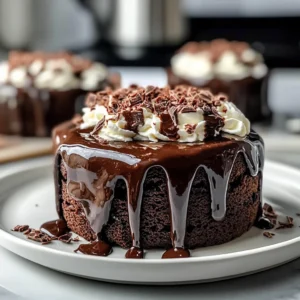
The dough’s already rising, and I’m trying to figure out how to keep my hands off it until it’s baked. Easter Bread isn’t just a festive treat; it’s a celebration of spring that fills the house with warmth and sweetness.

This recipe is perfect for weekends when you want something special without spending all day in the kitchen. It comes together quickly, thanks to warm milk that activates the yeast faster than usual (trust me, it makes a difference). One bite, and you’ll be hooked. Simple as that.
Why You’ll Love This Easter Bread
- Easy to Make: You’ll mix simple ingredients and knead for just 10 minutes, making it beginner-friendly (I promise it’s not intimidating!).
- Sweet Flavor: It’s got this sticky-sweet taste from the sugar and vanilla that makes it feel like a treat.
- Soft Texture: Expect a soft, fluffy crumb that’s perfect for tearing apart — so good with butter or jam.
- Versatile Shape: You can shape it however you want — braid it, form a wreath, or even just make a loaf!
- Surprising Shelf Life: It stays fresh for about 2 days at room temp, but honestly, it won’t last long because it’s that good.
Easter Bread Ingredients
For the Dough:
all-purpose flour (4 cups) — Use unbleached all-purpose flour for better texture, or it’ll turn out too dense.
milk (1 cup) — Go for whole milk, it adds richness; skim just won’t cut it here.
granulated sugar (1/2 cup) — Don’t skimp on the sugar—C&H is great—too little and it won’t rise right.
eggs (2 large) — Use large eggs, or your bread won’t have the right structure; size matters!
unsalted butter (1/4 cup) — Grab unsalted butter like Land O’Lakes; salted ruins the flavor balance.
active dry yeast (2 teaspoons) — Always use fresh active dry yeast, like Red Star; old yeast won’t rise at all.
salt (1/2 teaspoon) — Don’t skip the salt, it boosts flavor; too little and it’ll taste flat.
vanilla extract (1 teaspoon) — Stick to pure vanilla extract, like Nielsen-Massey; imitation’s a waste of good dough.
For the Glaze:
powdered sugar (1 cup) — Sift powdered sugar for a smoother glaze; lumpy icing’s a no-go.
milk (2 tablespoons) — Don’t use regular eggs for dyeing; colored eggs make it festive and fun!
vanilla extract (1/2 teaspoon)
For Decoration:
colored eggs (4 large)
Full measurements in the recipe card below.
How to Make Easter Bread
1. Activate the Yeast: In a small bowl, combine warm milk and active dry yeast. Let it sit for about 5 minutes until it’s frothy (that foam is key for rising).
2. Mix the Dough: In a large mixing bowl, combine all-purpose flour, granulated sugar, and salt. Make a well in the center and add the yeast mixture, beaten eggs, melted unsalted butter, and vanilla extract.
3. Knead Until Smooth: Mix until a soft dough forms. Then knead on a floured surface for about 10 minutes until smooth and elastic (you’ll know it’s done when it springs back after poking).
4. First Rise: Place the dough in a greased bowl, cover with a cloth, and let it rise in a warm place for about 1 hour or until doubled in size (don’t rush this step—if you do, your bread might end up dense).
5. Shape the Loaf: Once risen, punch down the dough and shape it into a round loaf on a parchment-lined baking sheet. If you’re feeling fancy, braid it or make a wreath shape; nestle hard-boiled colored eggs into the dough.
6. Second Rise: Cover the shaped dough and let it rise again for another 30 minutes while you preheat your oven to 350°F (175°C).
7. Bake and Glaze: Bake for 30-40 minutes until golden brown and sounds hollow when tapped (you’ll hear that satisfying thud). After baking, mix powdered sugar with milk for your glaze; drizzle over the warm bread once it’s slightly cooled.
Exact quantities in the recipe card below.
How to Store Easter Bread
- Room Temperature: Keep it in an airtight container or wrapped tightly in plastic wrap. It’ll last about 2-3 days, but the glaze might get a bit sticky (not ideal, but still tasty).
- Refrigerator: If you need it to last longer, pop it in the fridge wrapped in foil or in an airtight container. It’ll be good for about a week, but it’ll dry out a little.
- Freezer: Wrap slices or the whole loaf tightly in plastic wrap and then place it in a freezer bag. You can freeze it for up to 3 months. Just be aware that the texture changes a bit after thawing — not as fluffy as fresh.
- Reheating: To bring it back to life, preheat your oven to 350°F (175°C) and warm it for about 10 minutes until it’s just heated through (you’ll smell that sweet vanilla as a cue).
What to Serve with Easter Bread?
It’s sweet and fluffy enough to stand alone, but a few sides can help balance that richness and keep things interesting.
- Fresh Fruit Salad: A mix of berries adds a refreshing acidity that cuts through the sweetness.
- Greek Yogurt: Creamy and tangy, it provides a nice texture contrast and helps lighten each bite.
- Honey Butter: Spread it on warm slices for a melty-gooey combo that enhances the flavors without overpowering them.
- Pickled Vegetables: The tang from pickles offers a sharp bite that contrasts beautifully with the sweet bread (prep time is just 10 minutes).
- Savory Cheese Platter: Sharp cheddar or tangy goat cheese pairs well with the sweet elements; their richness balances everything out.
- Cold Brew Coffee: Serve chilled for a nice temperature contrast; its bitterness offsets the sweetness nicely.
- Herb Salad: Toss together arugula, parsley, and lemon juice for a bright side that adds color and freshness (this takes about 15 minutes).
- Citrus Glaze Drizzle: Try drizzling some orange or lemon glaze over each slice for extra zing without much effort!
Easter Bread Variations
Here’s how to play with this recipe and make it your own.
- Citrus Zest: Add 1 tablespoon of lemon or orange zest with the dry ingredients for a bright, fresh flavor.
- Almond Extract: Swap the vanilla for 1 teaspoon of almond extract when mixing the wet ingredients for a nutty twist.
- Dried Fruit: Mix in 1 cup of chopped dried fruit (like cranberries or apricots) after kneading for added chewiness.
- Egg Wash: Brush the shaped loaf with an egg wash before baking for a shiny, golden crust (just beat one egg).
- Chocolate Chips: Fold in 1 cup of chocolate chips during kneading for a sweet melty-gooey surprise in every slice.
- Next Level Glaze: Stir in 1 tablespoon of melted butter into the glaze for a richer, buttery finish (trust me on this).
- Vegan Option: Replace eggs with 1/2 cup unsweetened applesauce and use plant-based milk for a dairy-free version.
Make Ahead Options for Easter Bread
I love making Easter Bread ahead of time! You can prep the dough up to 24 hours in advance; just let it rise in the fridge instead of a warm spot. Once it’s risen, shape it into a loaf or wreath and cover it tightly with plastic wrap or place it in an airtight container. It’ll hold up well for about a day. Just remember, the glaze is best made fresh right before serving, since it tends to lose its shine if stored too long. Honestly, the bread itself keeps well for a few days, but I wouldn’t recommend glazing until you’re ready to dig in. Finish strong!
Easter Bread Recipe FAQs
Can I make this dish ahead of time?
Yep! You can prep the dough a day in advance. After kneading, let it rise once, then punch it down and wrap it tightly in plastic wrap before refrigerating. When you’re ready to bake, take it out to come to room temperature and let it rise again before shaping. Just remember, the longer it’s in the fridge, the slower that second rise will be.
Why did my Easter Bread turn out dense?
That could be due to a few things. If your yeast was old or not activated properly (remember that frothy foam?), your bread won’t rise as much. Also, using bleached flour can lead to a denser texture — stick with unbleached all-purpose for the best results. If your dough doesn’t spring back when poked, it might need more kneading.
What can I substitute for eggs in this recipe?
I wouldn’t recommend skipping eggs entirely since they help with structure and moisture. But if you really need a substitute, try using flaxseed meal mixed with water (1 tablespoon of flaxseed meal + 2.5 tablespoons water = 1 egg). Just know that the texture might change a bit, so don’t expect it to be exactly the same!
How do I know when my Easter Bread is done baking?
You’ll want to listen for that hollow sound when you tap on the bottom of the loaf; it’s like an audio cue for success! It should also be golden-brown on top—if you see that nice color and hear that satisfying thud, you’re good to go. Don’t rush taking it out; underbaking will ruin all your hard work!
Final Thoughts on Easter Bread
Making Easter Bread is all about that nostalgic flavor payoff. The combination of warm milk, eggs, and vanilla makes for a rich, soft dough that’s hard to resist (trust me on this). If you’ve been putting off baking this bread, just give it a shot—you’ll be surprised how quickly it comes together. And those colored eggs nestled in the dough? They add a festive touch that’ll make your table pop! Let me know how yours turned out in the comments.
Easter Bread
Ingredients
Method
- In a small bowl, combine warm milk and yeast. Let it sit for about 5 minutes until frothy.
- In a large mixing bowl, combine flour, sugar, and salt. Make a well in the center and add the yeast mixture, beaten eggs, melted butter, and vanilla.
- Mix until a soft dough forms, then knead for about 10 minutes on a floured surface until smooth and elastic.
- Place the dough in a greased bowl, cover with a cloth, and let it rise in a warm place for about 1 hour or until doubled in size.
- Once risen, punch down the dough and shape it into a round loaf. Place it on a baking sheet lined with parchment paper.
- If desired, create a braid with the dough or form a wreath shape. Nestle the hard-boiled eggs into the dough.
- Cover the shaped dough and let it rise for another 30 minutes.
- Preheat the oven to 350°F (175°C). Bake the bread for 30-40 minutes until golden brown and sounds hollow when tapped.
- In a bowl, whisk together powdered sugar, milk, and vanilla until smooth. Adjust milk for desired consistency.
- Remove the bread from the oven and let it cool slightly. Drizzle the glaze over the warm bread.
- Allow the glaze to set for a few minutes before slicing and serving.